0
Sale!

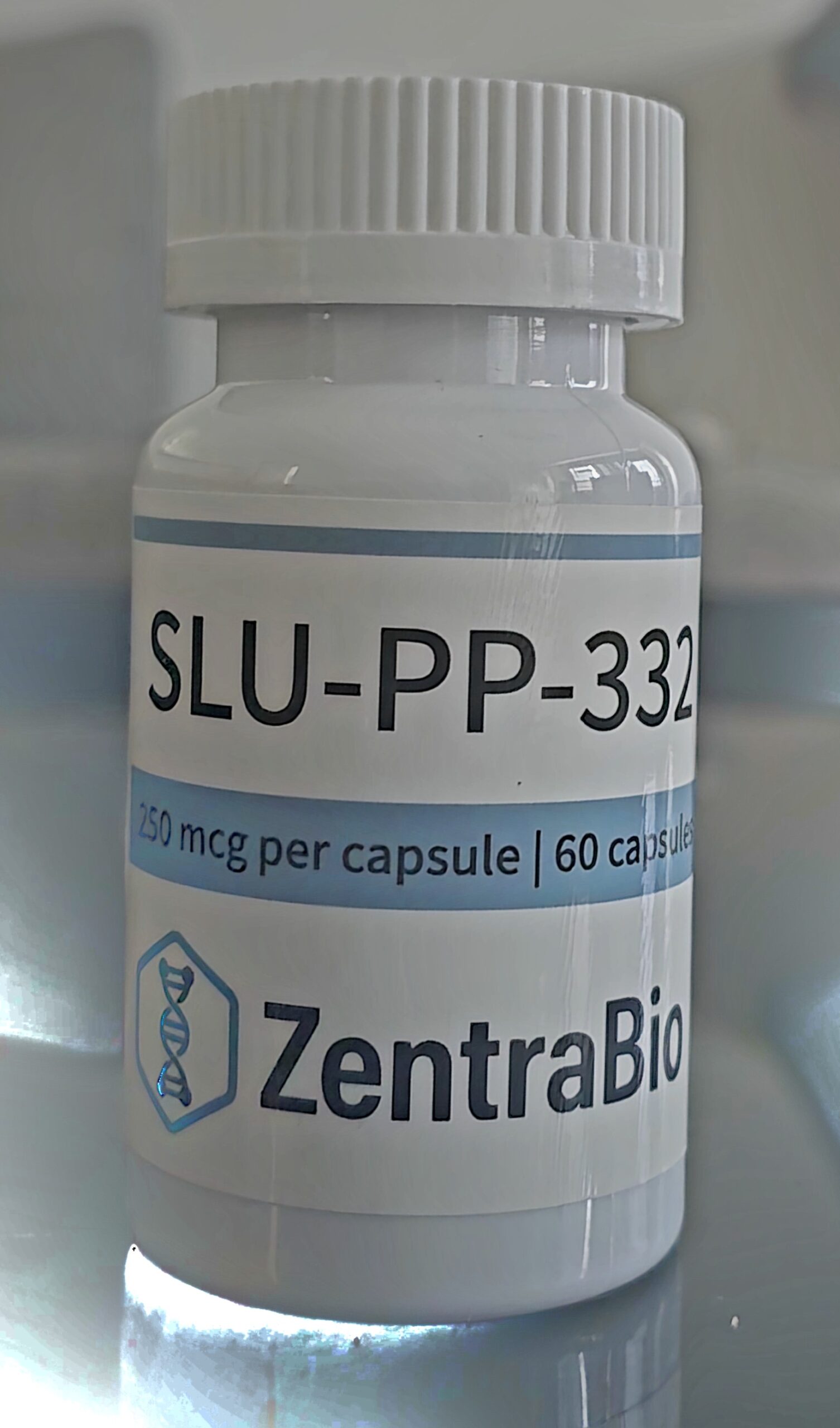
ZentraBio™ SLU-PP-332 – 60 X 250 mcg
Original price was: €80.00.€68.00Current price is: €68.00.
SLU-PP-332 is an experimental, non-peptide small molecule supplied for advanced metabolic and mitochondrial research.
Provided in precisely dosed capsules (60 × 250 mcg, ≥99.88% purity) and intended strictly for authorised laboratory research.
Not approved for human or veterinary use.
Description
SLU-PP-332 (Research Material) — 60 × 250 mcg Capsules
SLU-PP-332 is an experimental, non-peptide small molecule supplied by ZentraBio for advanced metabolic and mitochondrial research. In preclinical research contexts, SLU-PP-332 has been studied in relation to cellular energy pathways, including mechanisms associated with mitochondrial activity, oxidative capacity, and energy utilization. No medical, nutritional, or performance-related use has been established.
Unlike peptide- or hormone-based compounds, SLU-PP-332 is a synthetic small molecule, provided in capsule format to support consistent unit handling and laboratory reproducibility. This makes it a suitable research material for controlled laboratory environments conducting analytical work, method development, or reference studies related to mitochondrial and metabolic biology.
ZentraBio supplies SLU-PP-332 in precisely dosed capsules, manufactured to high purity standards and accompanied by clear research-use-only labeling and batch traceability. Each container includes 60 capsules, each containing 250 mcg of active material, corresponding to a total active material content of 15 mg. Reported purity is ≥99.88%.
SLU-PP-332 is part of ZentraBio’s broader portfolio of research-grade metabolic compounds, developed for professional research settings where consistency, documentation, and presentation are essential.
Key Product Details
-
Material type: Small molecule (non-peptide)
-
Form: Capsules
-
Quantity: 60 capsules × 250 mcg
-
Total active material: 15 mg
-
Purity: ≥99.88%
-
Excipients: cellulose, gelatin, magnesium stearate, silica
-
Storage: Store tightly closed at 15–25 °C; protect from moisture and light
-
Safety & handling: Use standard laboratory PPE; dispose of material in accordance with chemical-waste guidelines
Regulatory / Intended Use Notice
This product is supplied strictly for authorised laboratory research purposes (e.g. analytical testing, method development, reference work).
NOT FOR HUMAN OR VETERINARY USE.
Not approved as a medicinal product, food supplement, cosmetic ingredient, or food additive.
Keep out of reach of children.
Educational Overview (science-based, non-use framing)
What SLU-PP-332 is in the literature
In published research, SLU-PP-332 is characterized as a synthetic ERR (estrogen-related receptor) agonist intended as a research tool to probe aerobic metabolism, mitochondrial function, and exercise-adaptation biology. [1]
It has been discussed in preclinical contexts as part of the broader “exercise-mimetic” research area—not as a proven therapy or established human intervention. [1][2]
Important correction vs common online claims: SLU-PP-332 is generally described as targeting ERRα/β/γ, not as a primary PPARδ agonist in the core publications describing the molecule. [1][2]
Mechanistic biology (why ERR agonism matters in metabolism research)
ERRs (ERRα/β/γ) are nuclear receptors involved in regulating gene programs linked to:
- Mitochondrial oxidative metabolism and cellular respiration (mitochondrial function is a central readout in SLU-PP-332 studies). [1]
- Aerobic/exercise-associated transcriptional programs in skeletal muscle (used experimentally to model aspects of an “acute aerobic exercise response”). [1]
- Energy expenditure and fatty-acid oxidation pathways in preclinical metabolic models. [2]
Because ERRs operate at the level of gene-expression programs, the research interest is often framed around system-wide metabolic adaptation signals rather than short-lived “stimulant-like” effects. [1][2]
Research Highlights (preclinical; not established for humans)
Skeletal muscle, respiration, and endurance-related readouts (preclinical)
In an ACS Chemical Biology publication describing SLU-PP-332:
- SLU-PP-332 increased mitochondrial function and cellular respiration in a skeletal muscle cell line. [1]
- In mice, SLU-PP-332 increased type IIa oxidative skeletal muscle fibers and enhanced exercise endurance, and the “exercise program” effects were reported as ERRα-dependent for the endurance phenotype. [1]
Obesity / metabolic syndrome models (preclinical)
A 2024 Journal of Pharmacology and Experimental Therapeutics paper reports that, in mouse models of obesity/metabolic syndrome:
- SLU-PP-332 administration was associated with increased energy expenditure and fatty-acid oxidation and reduced fat mass accumulation in those models. [2]
- The authors report improvements consistent with better insulin sensitivity in models of metabolic syndrome (again, in mice). [2]
Aging kidney mitochondrial dysfunction & inflammation (preclinical)
In a 2023 American Journal of Pathology paper on aging kidneys:
- ERRs were reported as decreased in aging human and mouse kidneys, and the study used SLU-PP-332 as a pan-ERR agonist in aged mice. [3]
- The authors report reversal of multiple aging-associated kidney readouts after treatment in aged mice, including markers related to mitochondrial dysfunction and inflammatory cytokines, with discussion involving pathways such as cGAS–STING and STAT3 signaling. [3]
What this does not mean
- These findings do not establish that SLU-PP-332 is safe or effective for humans, and they do not constitute medical guidance. The cited papers are preclinical and mechanistic research contexts. [1][2][3]
- “Capsule format” here is about research handling and unit consistency, not a claim about real-world bioavailability, human dosing, or any intended ingestion pathway.
Regulatory / Intended Use Notice
This product is supplied strictly for authorised laboratory research purposes (e.g., analytical testing, method development, reference work).
NOT FOR HUMAN OR VETERINARY USE.
Not approved as a medicinal product, food supplement, cosmetic ingredient, or food additive.
Keep out of reach of children.
References (clickable where possible)
- Billon C, et al. “Synthetic ERRα/β/γ Agonist Induces an ERRα-Dependent Acute Aerobic Exercise Response and Enhances Exercise Capacity.” ACS Chemical Biology (2023). DOI: 10.1021/acschembio.2c00720 — https://doi.org/10.1021/acschembio.2c00720
- Billon C, et al. “A Synthetic ERR Agonist Alleviates Metabolic Syndrome.” Journal of Pharmacology and Experimental Therapeutics (2024). DOI: 10.1124/jpet.123.001733 — https://doi.org/10.1124/jpet.123.001733
- Wang XX, et al. “Estrogen-Related Receptor Agonism Reverses Mitochondrial Dysfunction and Inflammation in the Aging Kidney.” American Journal of Pathology (2023). DOI: 10.1016/j.ajpath.2023.07.008 — https://doi.org/10.1016/j.ajpath.2023.07.008
Related products
-
Sale!
ZentraBio™ MOTS-c – 5 X 10 mg
Original price was: €190.00.€125.00Current price is: €125.00. Add to cart Compare -
Sale!
Retatrutide 24 mg by GenPep
Original price was: €511.00.€400.00Current price is: €400.00. Add to cart Compare -
Sale!
ZentraBio™ Retatrutide – 4 x 5 mg Vial
Original price was: €208.00.€173.00Current price is: €173.00. Add to cart Compare -
Sale!
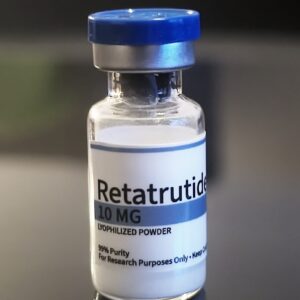
ZentraBio™ Retatrutide – 4 x 10 mg Vial
Original price was: €400.00.€325.00Current price is: €325.00. Add to cart Compare
Reviews
There are no reviews yet.