0
Sale!

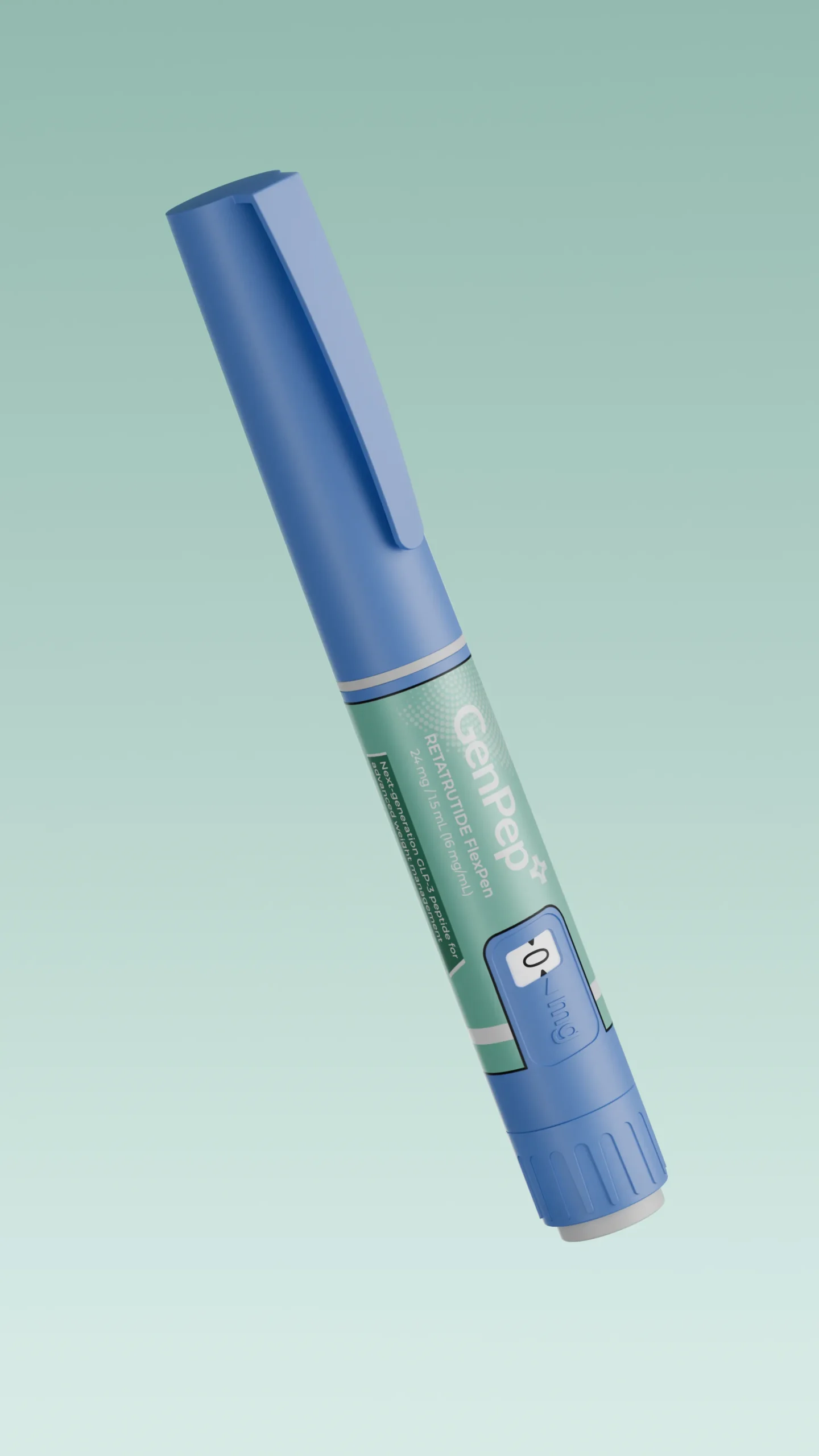
Retatrutide 24 mg by GenPep
Original price was: €511.00.€400.00Current price is: €400.00.
Retatrutide by GenPep – 24 mg Pen
Description:
Retatrutide by GenPep is a high-purity, research-grade peptide supplied in a pre-filled 24 mg pen for controlled subcutaneous administration in scientific studies. This multi-agonist compound—targeting GLP-1, GIP, and glucagon receptors—is being investigated for its potential influence on metabolic pathways, energy regulation, and appetite control.
Specifications:
- Content: 24 mg per single-use pen
- Format: Pre-filled, sterile pen for laboratory applications
- Storage: 2 °C – 8 °C · Do not freeze · Protect from light
Disclaimer:
For research use only. Not intended for human or veterinary use. Handle according to good laboratory practices.
Description
Retatrutide by GenPep – 24 mg Pen
Description
Retatrutide by GenPep is a high-purity, research-grade formulation designed for ongoing studies in metabolic and peptide science. Each pre-filled 24 mg pen contains a measured solution of retatrutide for controlled subcutaneous administration within laboratory or investigational settings.
⚠️ For research use only. Not for human or veterinary use.
Product Overview
Active compound: Retatrutide (LY3437943) — 24 mg per pen
Format: Single-use, pre-filled subcutaneous pen
Suggested research model:
Once-weekly administration (investigational context only)
Mechanistic profile:
Multi-agonist peptide acting on:
- GLP-1 receptors
- GIP receptors
- Glucagon receptors
These receptor systems regulate:
- appetite signaling
- energy expenditure
- insulin secretion
- metabolic flexibility
Manufacturer:
Compounded by GenPep Pharmacy, operating under GMP-aligned quality and purity standards
Handling & Storage
- Store refrigerated at 2 °C – 8 °C
- Do not freeze
- Protect from light and heat
- Use only within authorized research protocols
- Handle according to Good Laboratory Practices (GLP)
Evidence-Based Dose Levels Used in Human Trials
(Educational Context Only)
Retatrutide is investigational. Dose levels and titration strategies vary by trial protocol.
In the 48-week Phase 2 obesity study, maintenance doses evaluated included:
- 1 mg weekly
- 4 mg weekly
- 8 mg weekly
- 12 mg weekly
These were reached through gradual dose escalation to improve tolerability.
Primary reference:
Jastreboff AM et al., New England Journal of Medicine, 2023
https://pubmed.ncbi.nlm.nih.gov/37366315/
Clinical trial registry:
https://clinicaltrials.gov/study/NCT04881760
Incremental Dose Ladder (Research Context)
| Weekly dose | Status in trials | Reference | 24 mg pen coverage |
|---|---|---|---|
| 1 mg | Studied | https://pubmed.ncbi.nlm.nih.gov/37366315/ | 24 weeks |
| 2 mg | Escalation step | https://clinicaltrials.gov/study/NCT04881760 | 12 weeks |
| 4 mg | Studied (maintenance) | https://pubmed.ncbi.nlm.nih.gov/37366315/ | 6 weeks |
| 6 mg | Escalation step | https://clinicaltrials.gov/study/NCT04881760 | 4 weeks |
| 8 mg | Studied (maintenance) | https://pubmed.ncbi.nlm.nih.gov/37366315/ | 3 weeks |
| 9 mg | Escalation step | https://clinicaltrials.gov/study/NCT04881760 | 2.7 weeks |
| 12 mg | Studied (highest maintenance dose) | https://pubmed.ncbi.nlm.nih.gov/37366315/ | 2 weeks |
⚠️ These values describe clinical trial designs and are not dosing recommendations.
Clinical Dosing Data and Pen-Based Interpretation
Phase 2 Obesity Trial (48 Weeks)
The pivotal Phase 2 trial demonstrated:
- Up to ~24% mean weight reduction
- Strong dose-response relationship
- Higher doses associated with greater metabolic improvement
Reference:
https://pubmed.ncbi.nlm.nih.gov/37366315/
Clinical trial registry:
https://clinicaltrials.gov/study/NCT04881760
Phase 2 Type 2 Diabetes Study
Parallel metabolic trials demonstrated:
- Significant HbA1c reductions
- Improved fasting glucose
- Improved post-prandial glucose control
- Reduction in insulin resistance markers
Reference:
Coskun T et al., Cell Metabolism, 2022
https://pubmed.ncbi.nlm.nih.gov/35605025/
Dose Escalation Strategy
Across studies, retatrutide was not initiated at target doses.
Gradual titration was used to reduce gastrointestinal adverse effects common to incretin therapies.
This reflects receptor adaptation and tolerability management, not limitations in pharmacologic potency.
Pen-Based Dose Mapping (24 mg Total)
A 24 mg pen corresponds to cumulative amounts consistent with published trials:
- 2 × 12 mg doses
- 3 × 8 mg doses
- 6 × 4 mg doses
- 24 × 1 mg doses
This format allows laboratories to model multiple clinical trial dose arms within a standardized preparation.
⚠️ No assumptions are made regarding titration schedule, subject selection, or treatment duration.
Retatrutide (LY3437943): Educational Overview
Executive Summary
Retatrutide is an investigational triple-agonist incretin therapy activating:
- GLP-1 receptors
- GIP receptors
- glucagon receptors
This multi-pathway engagement affects:
- appetite regulation
- insulin signaling
- lipid metabolism
- hepatic glucose handling
- energy expenditure
References:
Coskun T et al., Cell Metabolism, 2022
https://pubmed.ncbi.nlm.nih.gov/35605025/
Jastreboff AM et al., NEJM, 2023
https://pubmed.ncbi.nlm.nih.gov/37366315/
Mechanism of Action
GLP-1 Receptor Activation
GLP-1 signaling:
- increases glucose-dependent insulin secretion
- slows gastric emptying
- activates satiety pathways in the brain
Reference:
Drucker DJ, Cell Metabolism, 2018
https://pubmed.ncbi.nlm.nih.gov/30270059/
GIP Receptor Activation
GIP signaling:
- enhances insulin secretion
- improves adipocyte insulin sensitivity
- modulates lipid metabolism
References:
Finan B et al., Nature Medicine, 2013
https://pubmed.ncbi.nlm.nih.gov/23852340/
Nauck MA et al., Diabetes Care, 2021
https://pubmed.ncbi.nlm.nih.gov/33547158/
Glucagon Receptor Activation
Retatrutide uniquely activates glucagon receptors.
This increases:
- hepatic fat oxidation
- energy expenditure
- triglyceride mobilization
References:
Habegger KM et al., Nature Medicine, 2010
https://pubmed.ncbi.nlm.nih.gov/20305658/
Kim T et al., Cell Metabolism, 2018
https://pubmed.ncbi.nlm.nih.gov/29514060/
Clinical Trial Evidence
Obesity (Phase 2)
Key outcomes:
- up to 24% body weight reduction
- majority of weight loss from fat mass
Reference:
https://pubmed.ncbi.nlm.nih.gov/37366315/
Type 2 Diabetes
Observed effects:
- HbA1c reduction
- improved glycemic control
- reduced insulin resistance
Reference:
https://pubmed.ncbi.nlm.nih.gov/35605025/
Body Composition Effects
Retatrutide appears to:
- reduce visceral adipose tissue
- reduce hepatic steatosis
- preserve lean mass when combined with resistance training
Reference:
Gastaldelli A et al., Diabetes, 2020
https://pubmed.ncbi.nlm.nih.gov/32198202/
Neurological Research Context
GLP-1 receptors are expressed in multiple brain regions including:
- hippocampus
- hypothalamus
- cortex
These pathways may influence:
- neuroinflammation
- neuronal energy metabolism
- cognitive signaling
Reference:
Hölscher C, Nature Reviews Neuroscience, 2014
https://pubmed.ncbi.nlm.nih.gov/24651702/
Cardiovascular and Renal Effects
Incretin therapies have demonstrated:
- improved endothelial function
- reduced systemic inflammation
- lower cardiovascular risk markers
Reference:
Marso SP et al., NEJM, 2016
https://pubmed.ncbi.nlm.nih.gov/27633186/
Safety and Tolerability
Common adverse events in trials include:
- nausea
- vomiting
- diarrhea
- constipation
These are generally dose-dependent and improve with titration.
Reference:
https://pubmed.ncbi.nlm.nih.gov/33547158/
Cancer Risk Evidence
Early rodent studies raised thyroid cancer concerns.
Human data has not demonstrated increased thyroid cancer incidence.
Reference:
Alves C et al., BMJ, 2012
https://pubmed.ncbi.nlm.nih.gov/22894536/
Final Perspective
Retatrutide represents a next-generation metabolic therapy designed to address root metabolic dysfunction rather than simply suppress appetite.
Through combined activation of GLP-1, GIP, and glucagon receptors, it influences multiple physiological systems involved in modern metabolic disease.
However, outcomes ultimately depend on integration with nutrition, physical activity, sleep, and overall metabolic health strategies.
Related products
-
Sale!
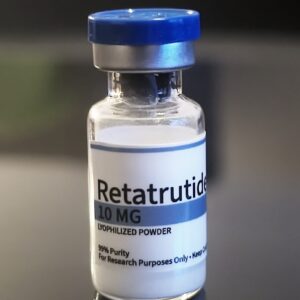
ZentraBio™ Retatrutide – 10 mg Vial
Original price was: €119.00.€84.00Current price is: €84.00. Add to cart Compare -
Sale!
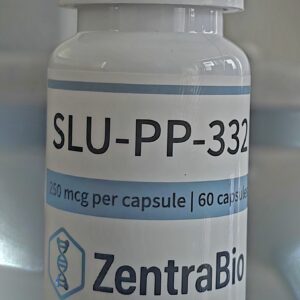
ZentraBio™ SLU-PP-332 – 60 X 250 mcg
Original price was: €80.00.€68.00Current price is: €68.00. Add to cart Compare -
Sale!
Wegovy 4 mg by GenPep
Original price was: €138.00.€105.00Current price is: €105.00. Add to cart Compare -
Sale!
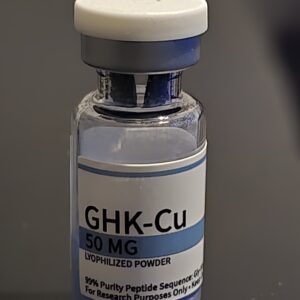
ZentraBio™ GHK-cu – 5 X 50 mg
Original price was: €190.00.€150.00Current price is: €150.00. Add to cart Compare
Reviews
There are no reviews yet.