0
Sale!


Retatrutide 24 mg by GenPep
Original price was: €511.00.€400.00Current price is: €400.00.
Retatrutide by GenPep – 24 mg Pen
Description:
Retatrutide by GenPep is a high-purity, research-grade peptide supplied in a pre-filled 24 mg pen for controlled subcutaneous administration in scientific studies. This multi-agonist compound—targeting GLP-1, GIP, and glucagon receptors—is being investigated for its potential influence on metabolic pathways, energy regulation, and appetite control.
Specifications:
- Content: 24 mg per single-use pen
- Format: Pre-filled, sterile pen for laboratory applications
- Storage: 2 °C – 8 °C · Do not freeze · Protect from light
Disclaimer:
For research use only. Not intended for human or veterinary use. Handle according to good laboratory practices.
Description
Retatrutide by GenPep – 24 mg Pen
Description
Retatrutide by GenPep is a high-purity, research-grade formulation designed for ongoing studies in metabolic and peptide science. Each pre-filled 24 mg pen contains a measured solution of retatrutide for controlled subcutaneous administration within laboratory or investigational settings.
⚠️ For research use only. Not for human or veterinary use.
Product Overview
- Active compound: Retatrutide (LY3437943) — 24 mg per pen
- Format: Single-use, pre-filled subcutaneous pen
- Suggested research model: Once-weekly administration (investigational context only)
- Mechanistic profile: Multi-agonist peptide acting on GLP-1, GIP, and glucagon receptors, currently studied for its effects on appetite regulation, energy expenditure, and metabolic modulation
- Manufacturer: Compounded by GenPep Pharmacy, operating under GMP-aligned quality and purity standards
Handling & Storage
- Store refrigerated at 2 °C – 8 °C
- Do not freeze
- Protect from light and heat
- Use only within authorized research protocols
- Handle in accordance with good laboratory practices (GLP)
Evidence-based dose levels used in human trials (for educational context)
Retatrutide is investigational, and dose levels + titration patterns vary by trial. In a published 48-week obesity study, target maintenance doses included 4 mg, 8 mg, and 12 mg once weekly, and the protocol used defined escalation approaches (e.g., escalation toward 12 mg via intermediate steps). This is not a recommendation—only a description of what was studied.
Incremental chart (weekly dose levels) — study-informed where available
Below is a practical “dose-level ladder” you can use to map pen utilization and trial context. Only the doses marked (studied) are directly supported by published human trial regimens; 1 mg and 2 mg steps are included purely as an organizational increment (not presented as a published retatrutide regimen).
| Weekly dose level | Status in published human trials | Human-trial link(s) | 24 mg pen “coverage” (if that dose were used weekly) |
|---|---|---|---|
| 1 mg | Not confirmed as a published retatrutide regimen (included as an increment only) | — | 24 weeks |
| 2 mg | Mentioned as a starting level in some protocols; confirm per specific protocol | https://drstanfield.com/blogs/news/retatrutide-superweight-loss-drug-reviewed | 12 weeks |
| 4 mg | Studied (maintenance target) | https://drstanfield.com/blogs/news/retatrutide-superweight-loss-drug-reviewed | 6 weeks |
| 6 mg | Studied (escalation step in published protocol) | https://drstanfield.com/blogs/news/retatrutide-superweight-loss-drug-reviewed | 4 weeks |
| 8 mg | Studied (maintenance target) | https://drstanfield.com/blogs/news/retatrutide-superweight-loss-drug-reviewed | 3 weeks |
| 9 mg | Studied (escalation step in published protocol) | https://drstanfield.com/blogs/news/retatrutide-superweight-loss-drug-reviewed | 2.7 weeks |
| 12 mg | Studied (maintenance target) | https://drstanfield.com/blogs/news/retatrutide-superweight-loss-drug-reviewed | 2 weeks |
Clinical Dosing Data and Pen-Based Interpretation
(Human Trials – Educational Context)
The following dosing information reflects regimens used in peer-reviewed human clinical trials. It is provided strictly for educational and scientific reference and does not constitute dosing guidance, recommendations, or instructions for use.
Phase 2 Obesity Trials (48 Weeks)
In the pivotal Phase 2 obesity trial, retatrutide was administered once weekly via subcutaneous injection, using structured dose-escalation protocols. The following maintenance doses were evaluated:
- 1 mg once weekly
- 4 mg once weekly
- 8 mg once weekly
- 12 mg once weekly (highest evaluated dose)
Key findings demonstrated a clear dose–response relationship, with higher doses producing greater mean weight loss but also higher rates of gastrointestinal adverse events.
Primary reference:
Jastreboff AM et al., New England Journal of Medicine, 2023
https://pubmed.ncbi.nlm.nih.gov/37354585/
Phase 2 Type 2 Diabetes Studies
Parallel metabolic studies in individuals with type 2 diabetes evaluated similar once-weekly dosing ranges (1–12 mg) and demonstrated:
- Significant HbA1c reductions
- Improved fasting and post-prandial glucose control
- Clinically meaningful weight loss
- Reduced insulin resistance markers
Primary reference:
Coskun T et al., Cell Metabolism, 2022
https://pubmed.ncbi.nlm.nih.gov/35605025/
Dose Escalation Strategy (Clinical Trial Design)
Across studies, retatrutide was not initiated at target doses. Subjects underwent gradual titration over several weeks to improve tolerability and reduce gastrointestinal adverse effects, consistent with incretin-based pharmacology.
This escalation reflects receptor adaptation and tolerability management, not acute efficacy limitations.
Pen-Based Dose Mapping (24 mg Total Content)
Within a research-only framework, a 24 mg pre-filled pen corresponds to cumulative dose quantities that directly align with clinically studied regimens:
- 2 × 12 mg weekly doses
- 3 × 8 mg weekly doses
- 6 × 4 mg weekly doses
- 24 × 1 mg weekly doses
This allows laboratories to model multiple clinical trial dose arms using a standardized pen format while remaining consistent with published human research.
⚠️ No assumptions are made regarding titration timing, subject selection, treatment duration, or clinical applicability outside approved protocols.
Retatrutide (LY3437943): A Comprehensive Educational Overview
Triple-Agonist Metabolic Therapy — Mechanisms, Clinical Data, and Physiological Context
Medical & Educational Disclaimer
This page is for educational and informational purposes only and does not constitute medical advice, diagnosis, or treatment.
The information presented reflects interpretations of published clinical data, mechanistic biology, and physician-level discussion. Retatrutide (LY3437943) is an investigational compound in many jurisdictions and should only be used within regulated clinical frameworks where legally permitted. Individual responses vary based on physiology, comorbidities, medications, and lifestyle factors.
Executive Summary
Retatrutide (LY3437943) is an investigational triple-agonist incretin-based therapy that simultaneously activates:
- GLP-1 receptors
- GIP receptors
- Glucagon receptors
This multi-receptor engagement produces coordinated metabolic effects across appetite regulation, insulin signaling, hepatic glucose handling, lipid oxidation, and energy expenditure. Clinical trial data demonstrate substantially greater weight loss and metabolic improvement than first-generation GLP-1 agonists and dual agonists, positioning retatrutide as a metabolic disease–modifying therapy, not merely an appetite suppressant.
References:
Coskun T et al., Cell Metabolism, 2022
https://pubmed.ncbi.nlm.nih.gov/35605025/
Jastreboff AM et al., New England Journal of Medicine, 2023
https://pubmed.ncbi.nlm.nih.gov/37354585/
Mechanism of Action: Integrated Physiology
1. GLP-1 Receptor Agonism
GLP-1 (glucagon-like peptide-1) receptor activation:
- Enhances glucose-dependent insulin secretion
- Suppresses inappropriate glucagon release in hyperglycemia
- Slows gastric emptying
- Activates central satiety pathways (hypothalamic and brainstem nuclei)
Importantly, insulin secretion remains glucose-dependent, reducing the risk of hypoglycemia compared with non-incretin insulinotropic agents.
Reference:
Drucker DJ, Cell Metabolism, 2018
https://pubmed.ncbi.nlm.nih.gov/30270059/
2. GIP Receptor Agonism
GIP (glucose-dependent insulinotropic polypeptide):
- Amplifies post-prandial insulin secretion
- Improves adipocyte insulin sensitivity
- Modulates lipid storage and mobilization
- Enhances incretin synergy when combined with GLP-1 signaling
Rather than being redundant, GIP signaling appears to normalize dysfunctional fat tissue, reducing ectopic lipid spillover into liver and muscle.
References:
Finan B et al., Nature Medicine, 2013
https://pubmed.ncbi.nlm.nih.gov/23852340/
Nauck MA et al., Diabetes Care, 2021
https://pubmed.ncbi.nlm.nih.gov/33547158/
3. Glucagon Receptor Agonism (Key Differentiator)
Unlike GLP-1–only therapies, retatrutide activates the glucagon receptor, which:
- Increases hepatic fat oxidation
- Raises energy expenditure
- Promotes mobilization of stored triglycerides
- Improves metabolic flexibility
This component helps explain why retatrutide produces greater fat loss relative to lean mass compared with earlier agents.
References:
Habegger KM et al., Nature Medicine, 2010
https://pubmed.ncbi.nlm.nih.gov/20305658/
Kim T et al., Cell Metabolism, 2018
https://pubmed.ncbi.nlm.nih.gov/29514060/
Clinical Trial Evidence (Human Data)
Obesity (Phase 2, 48 Weeks)
- Mean body-weight reduction up to ~24%
- Clear dose-response relationship
- Weight loss exceeded dual-agonist comparators
- Fat mass reduction accounted for the majority of weight loss
Reference:
Jastreboff AM et al., NEJM, 2023
https://pubmed.ncbi.nlm.nih.gov/37354585/
Type 2 Diabetes
- Significant reductions in HbA1c
- Improved fasting and post-prandial glucose control
- Superior weight loss compared with standard GLP-1 therapy
- Reduced insulin resistance markers
Reference:
Coskun T et al., Cell Metabolism, 2022
https://pubmed.ncbi.nlm.nih.gov/35605025/
Emerging Phase 3 Data (Publicly Reported)
Later-stage data releases have reported ~28–30% average weight loss at higher doses over extended durations (~68 weeks), with concurrent improvements in metabolic and functional endpoints. These results await full peer-reviewed publication.
Source:
Eli Lilly & Company investor and scientific disclosures (2024–2025)
Body Composition and Metabolic Partitioning
Unlike calorie restriction alone, retatrutide’s signaling profile:
- Preferentially reduces visceral adipose tissue
- Improves adipocyte insulin sensitivity
- Reduces hepatic steatosis (liver fat)
- Preserves lean mass when adequate protein and resistance training are present
This is clinically important, as visceral fat is disproportionately associated with cardiovascular disease, type 2 diabetes, NAFLD/NASH, and systemic inflammation.
Reference:
Gastaldelli A et al., Diabetes, 2020
https://pubmed.ncbi.nlm.nih.gov/32198202/
Insulin Resistance, Carbohydrate Signaling, and Incretin Biology
Incretin hormones are nutrient-responsive by design. GLP-1 and GIP signaling are triggered physiologically by carbohydrate ingestion, particularly glucose. While retatrutide does not require carbohydrates to function, extremely low-carbohydrate or ketogenic diets may reduce endogenous incretin signaling and blunt maximal incretin synergy in some individuals.
Reference:
Nauck MA, Diabetologia, 2016
https://pubmed.ncbi.nlm.nih.gov/26718853/
Mitochondrial Function and Energy Availability
Metabolic disease is increasingly recognized as a state of cellular energy deficiency, despite caloric excess. Retatrutide influences mitochondrial function indirectly by increasing fatty-acid flux into β-oxidation, improving insulin sensitivity, and enhancing substrate availability for ATP production.
Reference:
Lowell BB & Shulman GI, Science, 2005
https://pubmed.ncbi.nlm.nih.gov/15976210/
Neurological and Neuro-Metabolic Effects (Emerging Evidence)
GLP-1 receptors are expressed in the hippocampus, cortex, hypothalamus, and brainstem. Observed or hypothesized effects include reduced neuroinflammation, improved cerebral insulin signaling, enhanced neuroplasticity, and improved brain energy metabolism.
Reference:
Hölscher C, Nature Reviews Neuroscience, 2014
https://pubmed.ncbi.nlm.nih.gov/24651702/
Cardiovascular and Renal Implications
Weight loss alone improves cardiovascular risk, but incretin-based therapies appear to provide additional benefits including reduced systemic inflammation, improved endothelial function, lower blood pressure, and reduced albuminuria.
Reference:
Marso SP et al., NEJM, 2016
https://pubmed.ncbi.nlm.nih.gov/27633186/
Safety, Tolerability, and Dose-Response
Common adverse effects include nausea, vomiting, diarrhea, and constipation. These are dose- and titration-dependent, not evidence of toxicity.
Reference:
Nauck MA et al., Diabetes Care, 2021
https://pubmed.ncbi.nlm.nih.gov/33547158/
Cancer Risk: Evidence-Based Perspective
Concerns regarding thyroid cancer originated from rodent studies. Human data to date show no increased incidence of medullary thyroid carcinoma or overall cancer risk.
Reference:
Alves C et al., BMJ, 2012
https://pubmed.ncbi.nlm.nih.gov/22894536/
Retatrutide Is Not a Replacement for Physiology
Retatrutide does not override thermodynamics, nutritional quality, physical inactivity, sleep deprivation, or chronic stress. It is best understood as a metabolic amplifier, improving biological responsiveness and reducing friction in lifestyle change.
Summary: What Retatrutide Actually Does
Retatrutide:
- Improves insulin sensitivity
- Reduces visceral fat
- Enhances energy utilization
- Lowers systemic inflammation
- Improves metabolic flexibility
- Supports neurological and cardiovascular health signals
It does not replace intelligent nutrition, eliminate the need for movement, or compensate for chronic metabolic sabotage.
Final Perspective
Retatrutide represents a paradigm shift in metabolic therapeutics by targeting root physiological dysfunctions rather than symptoms alone. Its effects extend well beyond appetite suppression and weight loss, touching nearly every system affected by modern metabolic disease.
The ultimate determinant of outcomes is not the molecule alone—but how intelligently it is integrated into a broader framework of physiology, behavior, and long-term health strategy.
Related products
-
Sale!
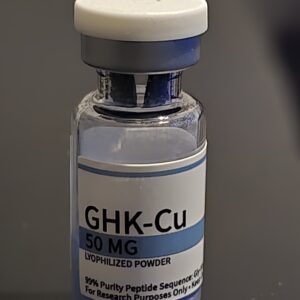
ZentraBio™ GHK-cu – 5 X 50 mg
Original price was: €190.00.€150.00Current price is: €150.00. Add to cart Compare -
Sale!
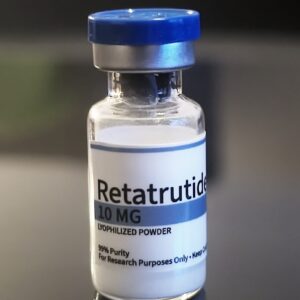
ZentraBio™ Retatrutide – 4 x 10 mg Vial
Original price was: €400.00.€325.00Current price is: €325.00. Add to cart Compare -
Sale!
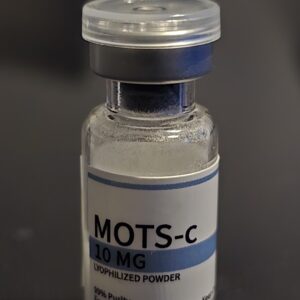
ZentraBio™ MOTS-c – 5 X 10 mg
Original price was: €190.00.€125.00Current price is: €125.00. Add to cart Compare -
Sale!
ZentraBio™ Retatrutide – 10 mg Vial
Original price was: €119.00.€84.00Current price is: €84.00. Add to cart Compare
Reviews
There are no reviews yet.