0
Sale!

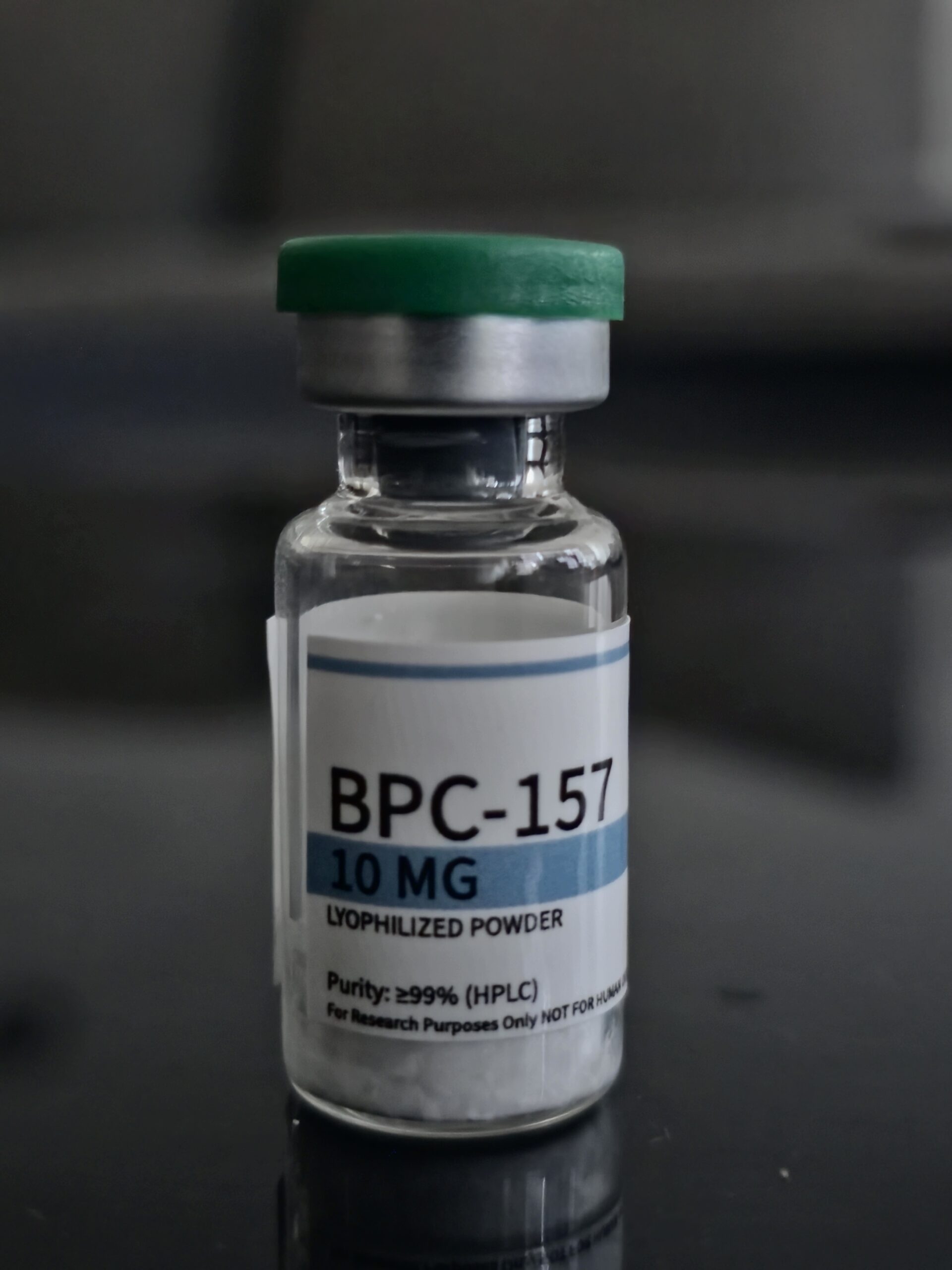
ZentraBio™ – BPC-157 – 10 mg
Original price was: €46.00.€36.00Current price is: €36.00.
BPC-157 is a laboratory research peptide derived from a protective gastric protein fragment. It has been extensively studied in experimental models for its potential role in tissue-repair signaling, vascular biology, and cytoprotective pathways across multiple biological systems.
Description
BPC-157 — Research Peptide
Product Description
BPC-157 (Body Protection Compound-157) is a synthetic pentadecapeptide with the sequence GEPPPGKPADDAGLV, derived from a protective protein fragment identified in human gastric juice. It is studied as a cytoprotective, pro-repair signaling peptide with broad preclinical literature spanning tendon, ligament, muscle, gastrointestinal, vascular, and neurologic injury models.
Unlike many experimental peptides that target a single receptor or pathway, BPC-157 acts as a multi-pathway biological signaling molecule, influencing:
- Tissue repair and regeneration
- Nitric oxide signaling
- Angiogenesis and vascular function
- Growth factor expression
- Immune system regulation
- Mitochondrial function and energy metabolism
While the majority of research remains preclinical (animal models and cell studies), the peptide has generated significant scientific interest due to its unique ability to accelerate healing across multiple tissues simultaneously.
Study overview
https://pubmed.ncbi.nlm.nih.gov/28035768/
Key Research Characteristics
- Compound: BPC-157
- Type: Synthetic pentadecapeptide
- Sequence: GEPPPGKPADDAGLV
- Primary research domains: cytoprotection, tissue regeneration, nitric-oxide signaling, vascular biology
- Evidence base: predominantly animal and in-vitro research
Research summary
https://pmc.ncbi.nlm.nih.gov/articles/PMC7555539/
Research Context Exposure Ranges (Educational Only)
⚠️ Not medical guidance. The ranges below reflect experimental discussions in literature and laboratory forums.
Experimental daily exposure ranges discussed in research contexts
- Exploratory range: ~200–300 mcg/day
- Common research-use range: ~500 mcg/day
- Upper experimental range (reported, not established): ~1,000 mcg/day
Experimental duration patterns
- Typical research windows discussed: ~4–6 weeks
- Recovery-model exposure discussions: ~4–8 weeks
These patterns are anecdotal conventions discussed in experimental communities and not validated clinical standards.
Pharmacokinetic research
https://pmc.ncbi.nlm.nih.gov/articles/PMC9794587/
Evidence Interpretation
Preclinical evidence
- Tendon repair and fibroblast migration
- Vascular recovery and nitric oxide signaling
- Cytoprotective effects in gastrointestinal tissue
- Neurological experimental models
Human evidence
- Small retrospective knee study
- Registered Phase I oral pharmacokinetic trial
Human study
https://pubmed.ncbi.nlm.nih.gov/34324435/
Clinical trial registry
https://clinicaltrials.gov/study/NCT02637284
Expanded Research Overview
(Educational reference section — long-form scientific background)
Scientific Background
BPC-157 was developed from a gastric protein fragment and has been explored in experimental models as a stable gastric pentadecapeptide with pleiotropic effects on wound healing, vascular recovery, and cytoprotection.
Reviews from Sikiric and colleagues summarize a large body of rat and cell-model data, but those reviews do not substitute for robust human trials.
Literature review
https://pubmed.ncbi.nlm.nih.gov/23755725/
A key point from the better literature is that BPC-157 is most defensibly framed as a research peptide with unusually broad preclinical activity, not as a clinically established cure-all.
Evidence review
https://pubmed.ncbi.nlm.nih.gov/40789979/
Molecular Structure
Defined pentadecapeptide
Gly–Glu–Pro–Pro–Pro–Gly–Lys–Pro–Ala–Asp–Asp–Ala–Gly–Leu–Val
One-letter sequence
GEPPPGKPADDAGLV
Study
https://pubmed.ncbi.nlm.nih.gov/28035768/
Mechanistic Profile
Nitric Oxide Signaling
BPC-157 has been shown in experimental systems to modulate vasomotor tone through nitric-oxide-dependent mechanisms involving the Src–Cav-1–eNOS pathway.
This supports the hypothesis that the peptide may regulate vascular tone during tissue injury and repair.
Mechanistic study
https://pmc.ncbi.nlm.nih.gov/articles/PMC7555539/
FAK–Paxillin Signaling Pathway
A foundational tendon-repair study found that BPC-157 promotes fibroblast outgrowth and migration through FAK-paxillin signaling.
This pathway is essential for:
- cell migration
- tissue remodeling
- structural repair
Study
https://pubmed.ncbi.nlm.nih.gov/21030672/
Growth Hormone Receptor Expression
Research demonstrated that BPC-157 increased growth hormone receptor expression in tendon fibroblasts.
Study
https://pubmed.ncbi.nlm.nih.gov/25415472/
Angiogenesis and Vascular Biology
Recent reviews highlight interactions between BPC-157 and angiogenic signaling networks, including nitric-oxide mediated vascular recovery.
Review
https://pmc.ncbi.nlm.nih.gov/articles/PMC12567428/
CNS and Gut-Brain Axis Research
BPC-157 has been studied in neurological models and is proposed to interact with brain-gut regulatory pathways.
Review
https://pmc.ncbi.nlm.nih.gov/articles/PMC8504390/
Research Highlights
The peptide is most commonly investigated in:
- Tendon and ligament repair
https://pubmed.ncbi.nlm.nih.gov/21030672/ - Connective-tissue and wound healing research
https://pmc.ncbi.nlm.nih.gov/articles/PMC8275860/ - Vascular and nitric-oxide biology
https://pmc.ncbi.nlm.nih.gov/articles/PMC7555539/ - Gastrointestinal cytoprotection models
https://pmc.ncbi.nlm.nih.gov/articles/PMC10224484/ - CNS experimental models
https://pmc.ncbi.nlm.nih.gov/articles/PMC8504390/
Human Evidence
Retrospective Knee Study
The most cited human dataset is a small retrospective study evaluating intra-articular BPC-157.
Results reported improvement in the majority of participants but the study design was uncontrolled and small.
Study
https://pubmed.ncbi.nlm.nih.gov/34324435/
Phase I Oral Trial
An oral pharmacokinetic and safety study was registered as:
Clinical trial registry
https://clinicaltrials.gov/study/NCT02637284
Results have not been formally published.
Pharmacokinetics
Experimental pharmacokinetic work shows:
- rapid clearance from plasma
- biological effects potentially extending beyond plasma half-life
Pharmacokinetic study
https://pmc.ncbi.nlm.nih.gov/articles/PMC9794587/
Anti-Doping Status
BPC-157 is listed as a prohibited substance by the World Anti-Doping Agency.
Detection research
https://pubmed.ncbi.nlm.nih.gov/37959764/
Safety Considerations
Preclinical studies report generally favorable tolerability profiles.
However:
- Long-term human safety remains unclear
- Dose-response relationships in humans are not established
Review
https://pubmed.ncbi.nlm.nih.gov/40789979/
Final Perspective
BPC-157 is best described as a promising investigational peptide with strong preclinical evidence but limited human outcome data.
Most available evidence comes from:
- animal models
- cell culture research
- mechanistic reviews
Further randomized clinical trials are required to determine therapeutic potential.
Evidence summary
https://pubmed.ncbi.nlm.nih.gov/23755725/
Related products
-
Sale!
ZentraBio™ SLU-PP-332 – 60 X 250 mcg
Original price was: €80.00.€68.00Current price is: €68.00. Add to cart Compare -
Sale!
ZentraBio™ MOTS-c – 5 X 10 mg
Original price was: €190.00.€125.00Current price is: €125.00. Add to cart Compare -
Sale!
ZentraBio™ Retatrutide – 5 mg Vial
Original price was: €61.00.€48.00Current price is: €48.00. Add to cart Compare -
Sale!
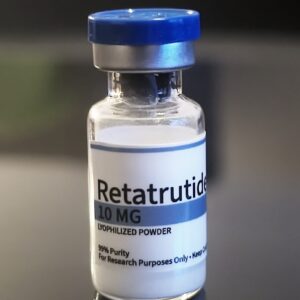
ZentraBio™ Retatrutide – 4 x 10 mg Vial
Original price was: €400.00.€325.00Current price is: €325.00. Add to cart Compare
Reviews
There are no reviews yet.